
Dependency Management at Scale: When Libraries Become a Business Risk
Explore the risks of dependency management at scale, focusing on how libraries can impact businesses in the tech sector.
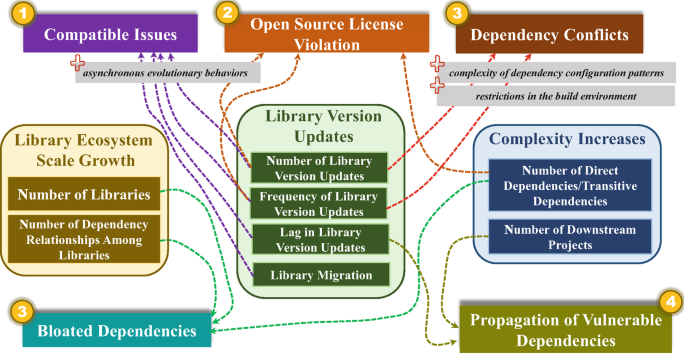
In the fast-paced world of software development, particularly in the burgeoning tech scene of Delhi, India, managing dependencies at scale is no small feat. As businesses increasingly rely on third-party libraries to accelerate development, the risk associated with these dependencies can escalate dramatically. This article delves into the intricacies of dependency management and how libraries can become a business risk when not handled properly.
Understanding Dependency Management in Software Development
Dependency management refers to the process of handling external libraries and modules that a software project relies on. It involves keeping track of library versions, ensuring compatibility, and resolving conflicts between libraries. As companies in Delhi and beyond scale their projects, the number of dependencies often increases, leading to a complex web that can become a liability.
The Business Risks of Unmanaged Dependencies
When libraries become an integral part of your software stack, failing to manage them effectively can expose your business to several risks, including:
- Security vulnerabilities from outdated libraries.
- Increased complexity leading to higher maintenance costs.
- Potential downtime due to compatibility issues.
Real-World Examples of Dependency Risks
Consider a software company in Delhi that relied on an open-source library for a critical feature. When a vulnerability was discovered, the developers were forced to scramble for a fix, resulting in lost time and resources. This situation illustrates how unmanaged dependencies can lead to significant operational challenges.
Frameworks for Effective Dependency Management
To mitigate the risks associated with dependency management, organizations can adopt several frameworks and practices, including:
- Automated dependency scanning tools.
- Regular audits of third-party libraries.
- Implementing Semantic Versioning to track changes.
Best Practices for Managing Dependencies at Scale
Here are some actionable best practices that B2B companies can implement to ensure effective dependency management:
- Maintain a centralized dependency database.
- Educate teams on the importance of dependency management.
- Establish policies for updating and reviewing libraries regularly.
The Role of Automation in Dependency Management
Automation can significantly enhance the efficiency of dependency management. Tools like Dependabot or Snyk can automate the monitoring and updating of libraries, thereby reducing the manual workload on your development teams and mitigating risks.
Case Study: A Delhi-Based Startup's Approach
A Delhi-based startup faced critical issues with dependency management when its primary library unexpectedly deprecated. By implementing a robust dependency management strategy that included automated tools and regular reviews, the startup not only mitigated risks but also improved its development cycle time.
Conclusion
In conclusion, as businesses scale and libraries become a critical part of their software infrastructure, effective dependency management is crucial to mitigate risks. By adopting best practices and leveraging automation, companies can protect themselves from potential pitfalls associated with unmanaged dependencies.
Frequently Asked Questions
What is dependency management?
Dependency management is the process of handling external libraries and modules that a software project relies on, ensuring compatibility and resolving conflicts.
Why are unmanaged dependencies a risk?
Unmanaged dependencies can lead to security vulnerabilities, increased maintenance costs, and potential downtime due to compatibility issues.
How can I automate dependency management?
You can use tools like Dependabot or Snyk that automate monitoring and updating of libraries, reducing manual workload and risks.