
Architecture Decision Records: Preserving the Reasoning Behind Technical Decisions
Discover how architecture decision records can preserve the reasoning behind technical decisions in software development.
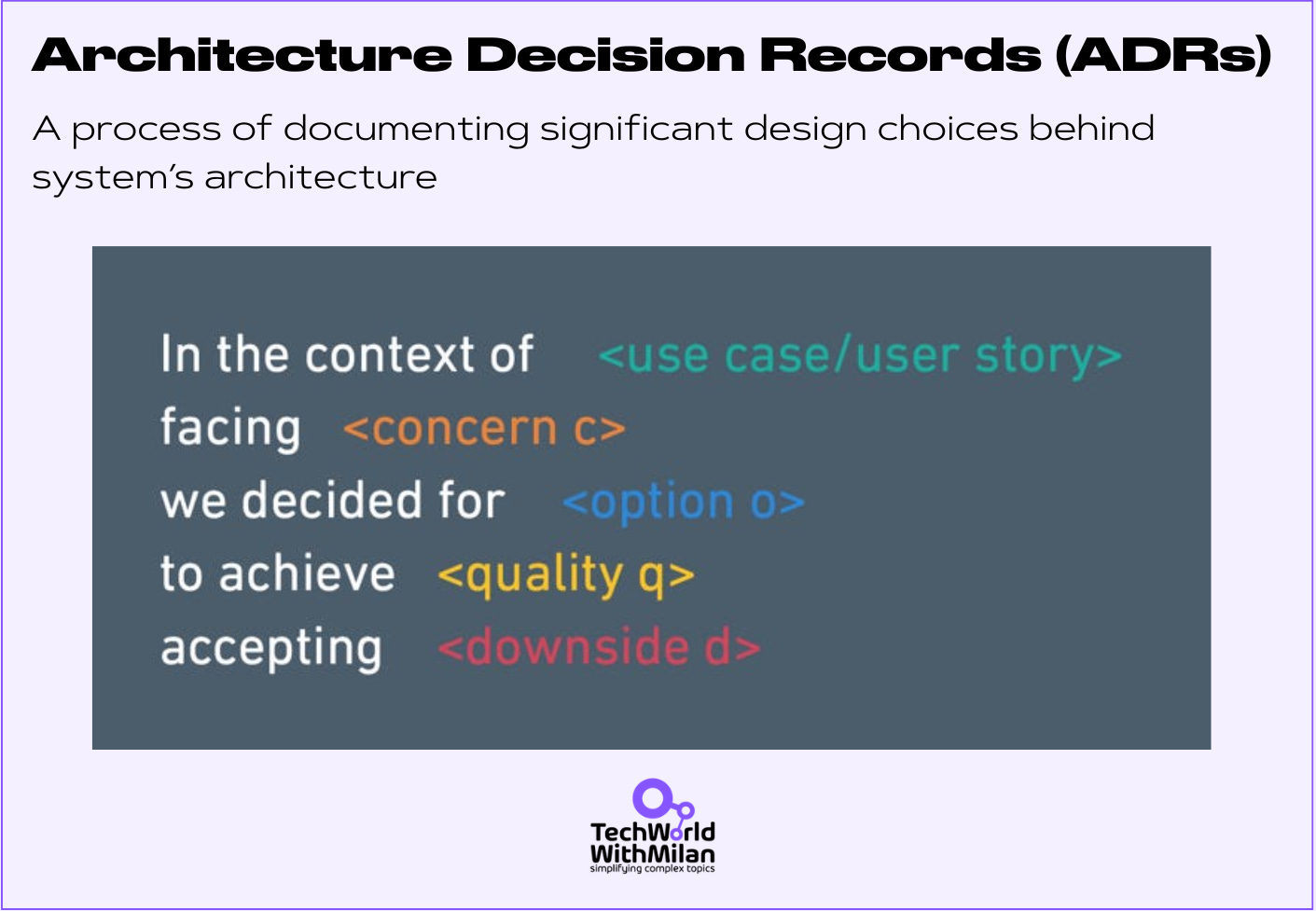
In the fast-paced world of software development, especially within the B2B sector in Delhi, the need for clear and concise documentation of technical decisions has never been more vital. Architecture Decision Records (ADRs) play a crucial role in preserving the reasoning behind these decisions. By implementing ADRs, companies can ensure that their development teams understand the rationale behind architectural choices, ultimately leading to more informed future decisions.
What are Architecture Decision Records?
Architecture Decision Records are documents that capture the context, decision, and consequences of architectural choices made during software development. They serve as a historical log that helps teams understand why specific technologies or practices were adopted. For instance, a software agency in Delhi might document the decision to use a microservices architecture due to scalability needs, detailing the pros and cons of this choice.
The Importance of Preserving Reasoning
Preserving the reasoning behind technical decisions is crucial for multiple reasons. First, it fosters transparency within the team, allowing new members to quickly get up to speed. Second, it provides a reference point for future discussions or when revisiting decisions. For example, if an agency decides to switch from a monolithic to a microservices architecture, having documented ADRs can clarify the initial motivations and expected benefits.
Elements of an Effective ADR
An effective Architecture Decision Record typically includes the following elements: context, decision, status, consequences, and date. Each of these components plays an integral role in the documentation process.
- Context: The background and situation leading to the decision.
- Decision: A clear statement of the decision made.
- Status: An indication of whether the decision is proposed, accepted, or rejected.
- Consequences: The implications of the decision, including trade-offs.
- Date: When the decision was made.
How to Create Architecture Decision Records
Creating Architecture Decision Records involves a systematic approach. Here are steps to effectively document decisions: 1. Identify the decision point. 2. Gather context from relevant stakeholders. 3. Discuss the options and implications. 4. Document the decision in a clear format. 5. Review and revise as necessary. In a B2B context, ensuring all team members are involved in this process can lead to more comprehensive records.
Real-World Example of ADR Implementation
Consider a hypothetical scenario where a software development agency in Delhi needs to choose between two database systems. By using ADRs, the team can document their decision-making process, weighing the performance of a NoSQL database against the reliability of a relational database. By preserving this reasoning, they can revisit the decision in the future if performance metrics change or if the project scope evolves.
Best Practices for Using Architecture Decision Records
To maximize the benefits of Architecture Decision Records, teams should adhere to best practices such as: 1. Regularly review and update ADRs to reflect changes. 2. Ensure accessibility for all team members. 3. Use a consistent format to make records easy to read. 4. Encourage a culture of documentation within the team. By following these practices, technology firms can create a repository of knowledge that enhances collaboration and decision-making.
Challenges in Preserving Reasoning
Despite their benefits, there are challenges in ensuring that architecture decision records are effectively maintained. Common challenges include lack of time for documentation, team turnover, and insufficient training on the importance of ADRs. To address these issues, companies in Delhi should allocate dedicated time for documentation during the development process and provide training for new employees emphasizing the significance of preserving reasoning.
Conclusion
In conclusion, architecture decision records are invaluable tools for preserving the reasoning behind technical decisions in software development. By implementing ADRs, B2B tech companies in Delhi can enhance their decision-making processes, foster transparency, and improve team collaboration. As the tech landscape continues to evolve, having a robust record of architectural decisions will be paramount for future success.
Frequently Asked Questions
What are the main benefits of using Architecture Decision Records?
ADRs provide transparency, improve understanding, and serve as a historical reference for decisions.
How often should ADRs be updated?
ADRs should be reviewed regularly, especially after significant changes in the project or team structure.
Can ADRs be used in agile methodologies?
Yes, ADRs can complement agile practices by documenting decisions without adding significant overhead.
Who should be involved in creating ADRs?
All relevant stakeholders, including developers, project managers, and architects, should contribute to the ADR documentation process.