
Technical Debt Quantification: Can You Actually Measure Technical Debt?
Explore how to quantify technical debt with actionable insights for AI and software development agencies in Delhi.
In the fast-paced world of software development, particularly within the vibrant tech ecosystem of Delhi, quantifying technical debt has become a crucial concern for many organizations. As companies embrace artificial intelligence and agile methodologies, understanding how to measure technical debt accurately is essential for long-term success. This article delves into the intricacies of technical debt quantification and addresses the question: Can you actually measure technical debt?
Understanding Technical Debt
Technical debt refers to the implied cost of additional rework caused by choosing an easy solution now instead of a better approach that would take longer. In the context of software development, this can manifest as inadequate documentation, suboptimal code structure, or outdated technology stacks. Acknowledging and quantifying this debt is essential for organizations looking to maintain competitive advantage in today's technology landscape.
The Importance of Measuring Technical Debt
Accurate measurement of technical debt provides invaluable insights that can help organizations prioritize refactoring efforts, improve code quality, and allocate resources effectively. By quantifying technical debt, businesses in Delhi can avoid the risks of software failures, enhance product delivery timelines, and ultimately save costs associated with technical inefficiencies.
Frameworks for Technical Debt Quantification
Several frameworks exist to help quantify technical debt. Here are a few widely-recognized methods:
- Technical Debt Quadrant: This framework categorizes debt into four quadrants based on difficulty and urgency.
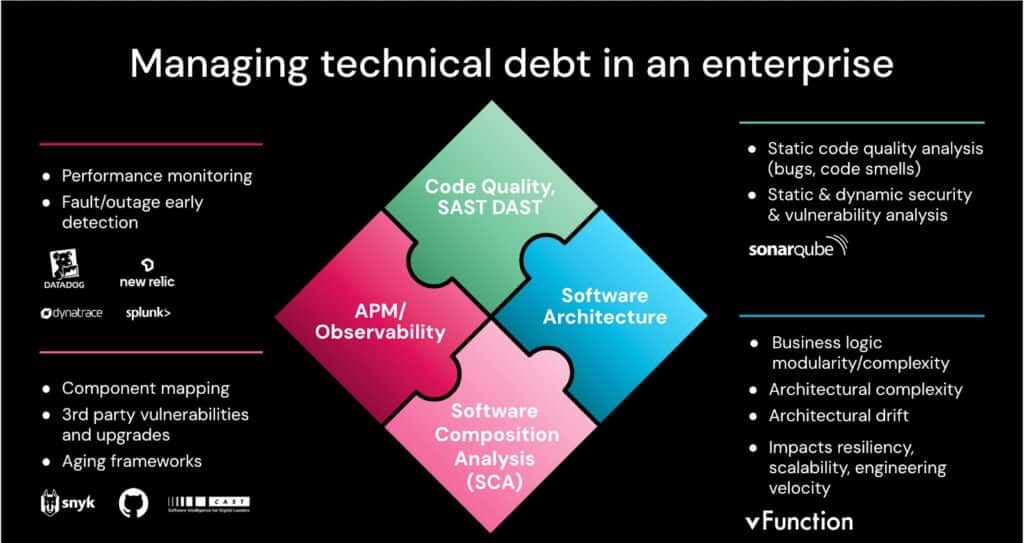
- SonarQube: A popular tool that provides metrics on code quality and identifies technical debt.
- Code Churn Metrics: Measuring the amount of code that is changed over a defined period can indicate areas of high technical debt.
Quantifying Technical Debt: Practical Examples
To illustrate how technical debt can be quantified, let’s consider a software development agency in Delhi that has multiple projects running concurrently. By employing the Technical Debt Quadrant framework, the team can categorize their existing technical debt based on the urgency of refactoring and the complexity involved. For instance, if they identify a critical bug in a legacy system that requires immediate attention, they can prioritize it over less urgent issues.
Strategies for Managing Technical Debt
Managing technical debt involves a strategic approach that includes regular assessments and prioritization. Here are some strategies that B2B tech companies in Delhi can implement:
- Establish a Technical Debt Policy: Create guidelines for recognizing and addressing technical debt in projects.
- Routine Code Reviews: Implement regular code reviews to identify technical debt early.
- Allocate Time for Refactoring: Dedicate a percentage of each sprint to address technical debt.
Tools for Measuring Technical Debt
There are several tools available that can assist in the measurement of technical debt. Tools like SonarQube, CodeClimate, and Jira can integrate with existing workflows to provide insights into the current state of your codebase and highlight areas where technical debt is accumulating.
Navigating Technical Debt in AI Projects
In AI projects, technical debt can be particularly complex due to the evolving nature of algorithms and data models. Companies must not only consider the code quality but also the underlying data integrity and model performance. Emphasizing continuous integration and deployment practices can mitigate technical debt in AI applications.
Conclusion
In conclusion, while measuring technical debt may seem daunting, leveraging the right frameworks and tools can provide clarity and direction for software development teams. By understanding and quantifying technical debt, companies in Delhi can make informed decisions that enhance their software quality and operational efficiency.
Frequently Asked Questions
What is technical debt?
Technical debt is the implied cost of rework caused by choosing an easy solution instead of a better, more comprehensive solution.
How can I measure technical debt?
You can measure technical debt using frameworks like the Technical Debt Quadrant, tools such as SonarQube, and through code metrics like code churn.
Why is technical debt a concern for B2B companies?
Technical debt can lead to increased costs, project delays, and potential software failures, making it crucial for B2B companies to manage it effectively.
Can technical debt be reduced?
Yes, technical debt can be reduced through strategic planning, routine code reviews, and by allocating time for refactoring during development cycles.