
Portable Cloud Architecture: Designing Systems for Multiple Providers
Explore the essentials of portable cloud architecture and how to design systems for multiple providers effectively.
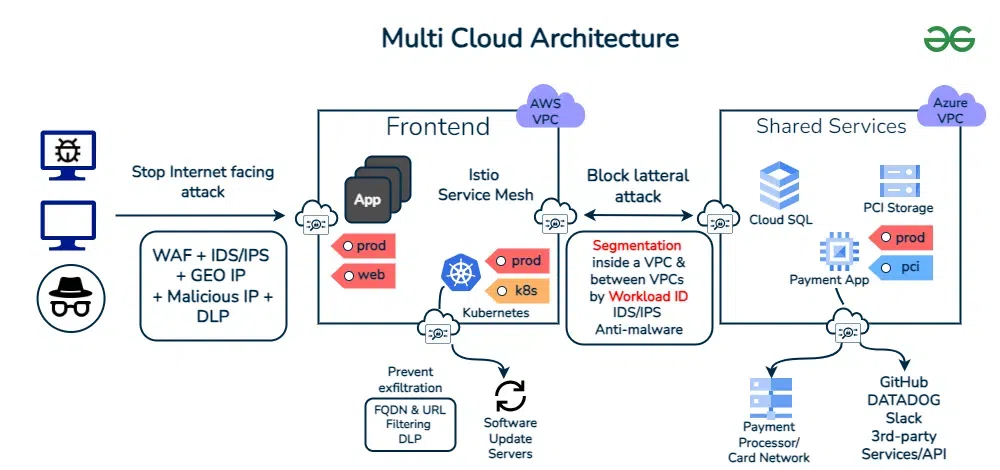
In today's competitive landscape, businesses are increasingly adopting portable cloud architecture to design systems that are robust, scalable, and capable of operating across multiple cloud providers. This approach not only enhances flexibility but also optimizes costs and improves system reliability. As a leading AI/software development agency in Delhi, Gentech understands the critical importance of implementing a portable cloud architecture that meets the unique needs of B2B organizations.
Understanding Portable Cloud Architecture
Portable cloud architecture refers to a framework that allows applications and data to be easily moved and operated across various cloud environments without significant changes. The growing trend towards multi-cloud strategies among enterprises necessitates a deeper understanding of how to design systems that can effectively leverage multiple cloud providers.
- Flexibility in choosing cloud services
- Avoiding vendor lock-in
- Enhanced disaster recovery options
Key Principles of Designing Systems for Multiple Providers
When designing systems for multiple cloud providers, there are several key principles that should guide your architecture decisions. These principles ensure that your applications remain portable and maintain high performance across diverse environments.
- Standardization of APIs and interfaces
- Utilization of containerization technologies
- Implementing microservices architecture
Benefits of Portable Cloud Architecture
Embracing a portable cloud architecture offers numerous advantages for B2B companies. It not only facilitates easier management of resources across different providers but also enhances overall operational efficiency. Here are some key benefits:
- Cost optimization through competitive pricing
- Improved performance and uptime
- Greater resilience and security
Frameworks and Tools for Implementation
To successfully implement portable cloud architecture, organizations can leverage various frameworks and tools. These resources assist in ensuring compatibility and performance across multiple cloud environments.
- Kubernetes for container orchestration
- Terraform for infrastructure as code
- Apache Mesos for resource management
Real-World Examples of Portable Cloud Solutions
Several enterprises have successfully adopted portable cloud architecture, enabling them to operate seamlessly across multiple cloud providers. For instance, a prominent e-commerce platform utilized a multi-cloud strategy to balance workloads during peak shopping seasons, ensuring optimal performance and cost savings.
Challenges in Designing Portable Cloud Systems
Despite the numerous benefits, there are challenges associated with designing portable cloud systems. Organizations must be prepared to address issues such as data transfer complexities, compliance with varying regulations, and the need for consistent security measures.
Future Trends in Portable Cloud Architecture
As technology continues to evolve, the portable cloud architecture landscape will also change. Emerging trends include the rise of edge computing, AI-driven cloud management tools, and increased emphasis on sustainability within cloud services.
Conclusion
In conclusion, portable cloud architecture presents a compelling solution for businesses looking to optimize their cloud strategies. By understanding the principles and benefits of designing systems for multiple providers, organizations can enhance their operational capabilities while reducing costs and improving flexibility.
Frequently Asked Questions
What is portable cloud architecture?
Portable cloud architecture allows applications and data to operate across various cloud environments seamlessly.
How can my business benefit from a multi-cloud strategy?
A multi-cloud strategy offers cost optimization, flexibility, and enhanced disaster recovery options.
What tools can help in designing portable cloud systems?
Kubernetes, Terraform, and Apache Mesos are effective tools for implementing portable cloud architecture.
What challenges should I be aware of?
Challenges include data transfer complexities, compliance issues, and maintaining consistent security measures.