
Cross Platform vs Native in 2026
Explore the evolving landscape of cross platform vs native app development in 2026, focusing on AI and software development trends relevant to B2B.
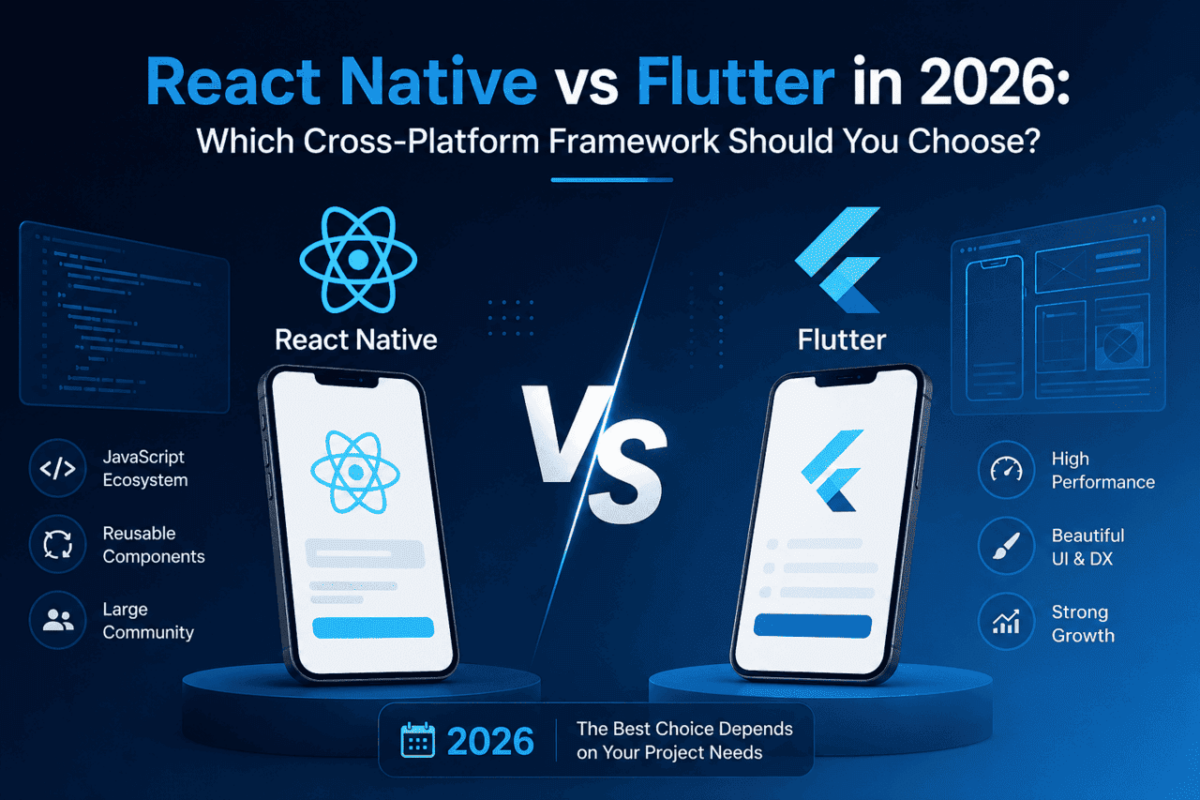
As we progress into 2026, the debate between cross platform and native app development continues to shape the landscape of mobile applications. For businesses in sectors embracing technology, particularly in India, understanding the distinctions and implications of each approach is crucial. This article will provide a comprehensive analysis of cross platform native development, examining their benefits, drawbacks, and practical applications tailored to the unique challenges faced by B2B companies.
Understanding Cross Platform and Native Development
Before diving into the specifics, it's essential to establish a clear understanding of what cross platform and native app development entail. Native development refers to creating applications specifically for a single platform, such as iOS or Android, using platform-specific programming languages like Swift or Kotlin. On the other hand, cross platform development utilizes a single codebase for multiple platforms, employing frameworks such as React Native, Flutter, or Xamarin.
Advantages of Cross Platform Development
Cross platform native development offers several advantages that can significantly benefit B2B companies, especially in a rapidly evolving market like India. Here are some key benefits:
- Reduced development costs due to a single codebase.
- Faster time to market, allowing businesses to capitalize on trends quickly.
- Easier updates and maintenance since changes can be applied across all platforms simultaneously.
- Wider audience reach with apps available on multiple platforms.
Challenges of Cross Platform Development
Despite its advantages, cross platform development also presents challenges that B2B companies need to navigate. Some common issues include:
- Performance may not match that of native applications, particularly for graphics-intensive tasks.
- Limited access to device-specific features, which might hinder functionality.
- Potential for inconsistent user experiences across platforms.
Advantages of Native Development
Native development, while often more resource-intensive, provides unique advantages that can be critical for certain B2B applications. Here are some of the key benefits:
- High performance and responsiveness, ideal for resource-heavy applications.
- Full access to device features, ensuring all functionalities work seamlessly.
- Enhanced user experience tailored specifically for the target platform.
Challenges of Native Development
While native development has its merits, it also comes with challenges that businesses must consider, particularly in a budget-conscious environment like Delhi's tech industry. These include:
- Higher development costs due to the need for separate codebases.
- Longer development cycles, which can delay time to market.
- Increased maintenance efforts, as updates must be implemented separately for each platform.
Case Studies: Success Stories in Cross Platform and Native Development
Let’s explore some practical examples that illustrate the effectiveness of both cross platform and native development in the Indian market. One notable case is a fintech startup in Delhi that utilized React Native to develop a mobile banking application, which allowed them to reach both Android and iOS users efficiently. Conversely, a leading healthcare provider opted for native development to create a complex, feature-rich application that integrates directly with medical devices.
What to Choose: Cross Platform vs Native for Your B2B Needs
Determining whether to adopt a cross platform native approach or stick with native development depends on several factors specific to your business. Consider the following questions before making a decision:
- What is your budget? Cross platform may be more cost-effective.
- What is the required performance level? Native may be necessary for demanding applications.
- How quickly do you need to launch? Cross platform typically allows for faster deployment.
The Future of Cross Platform and Native Development
As we look ahead to the future, trends suggest that both cross platform and native development will continue to coexist, each serving distinct niches within the market. The emergence of advanced tools and frameworks in cross platform development is narrowing the performance gap with native apps, making it an increasingly appealing option for many businesses.
Conclusion
In conclusion, the choice between cross platform and native app development in 2026 is complex and multifaceted. B2B companies in India must weigh the advantages and challenges of each approach in alignment with their specific needs, budget, and timeframe. The right decision can lead to significant benefits, including enhanced user engagement, improved performance, and a stronger market presence.
Frequently Asked Questions
What is the main difference between cross platform and native development?
Cross platform development uses a single codebase for multiple platforms, while native development creates platform-specific apps.
Which approach is better for B2B applications?
It depends on the specific needs such as budget, performance requirements, and time to market. Cross platform is cost-effective, while native offers better performance.
Are there any successful examples of cross platform apps?
Yes, many startups in India have successfully utilized cross platform frameworks like React Native to develop user-friendly applications.
How does the choice impact user experience?
Native apps often provide a better user experience due to their tailored design, while cross platform may sometimes lead to inconsistency across platforms.