
Cloud-Native Databases: Choosing Storage Based on Workload Instead of Brand
Explore how to select cloud-native databases based on workload rather than brand for optimal performance and scalability in your B2B tech environment.
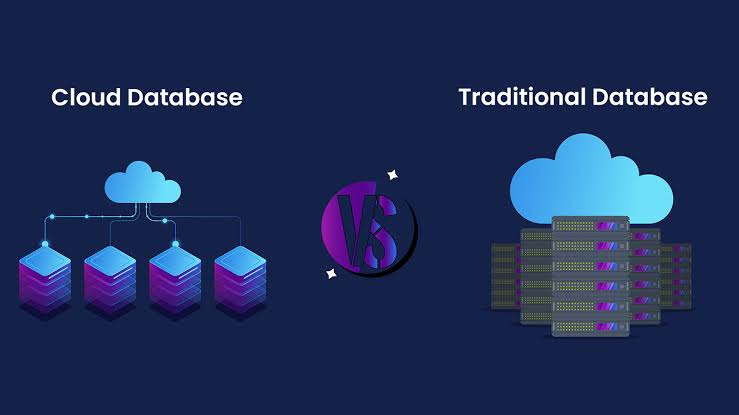
In the rapidly evolving landscape of cloud computing, businesses face myriad choices when it comes to database solutions. One critical factor that often gets overlooked is the importance of choosing cloud-native databases based on workload rather than simply brand loyalty. In this article, we’ll explore the nuances of cloud-native databases, their benefits, and how to make informed decisions tailored to your specific business requirements, especially in the context of the Indian tech ecosystem.
Understanding Cloud-Native Databases
Cloud-native databases are designed to exploit the advantages of cloud computing architectures, offering scalability, flexibility, and resilience. Unlike traditional databases that require rigid server configurations, cloud-native databases can dynamically allocate resources based on real-time demands. This section will delve into the key characteristics that define cloud-native databases, ensuring your business is equipped with the right information to make an informed choice.
- Scalability: Seamlessly adjust resources to meet workload demands.
- Flexibility: Integrate easily with microservices and DevOps practices.
- Resilience: Built to withstand failures and ensure high availability.
The Importance of Workload in Database Selection
When it comes to selecting a cloud-native database, understanding your workload is paramount. Workloads can vary significantly based on factors such as data volume, transaction frequency, and user concurrency. By focusing on workload characteristics rather than brand names, organizations can align their database choices with their operational needs, ensuring optimal performance and cost efficiency.
Types of Workloads and Their Database Implications
Different workloads have unique requirements, and recognizing these can guide your choice of cloud-native database. Here’s a breakdown of common workload types and their implications for database selection:
- Transactional Workloads: Require databases that support ACID properties for data integrity.
- Analytical Workloads: Benefit from databases optimized for read-heavy operations and complex queries.
- Mixed Workloads: Demand databases that can handle both transactional and analytical queries efficiently.
Evaluating Cloud-Native Database Options
With a clear understanding of your workload, the next step is to evaluate available cloud-native database options. Factors to consider include the underlying architecture, performance benchmarks, and integration capabilities with existing systems. Popular options like Amazon Aurora, Google Cloud Spanner, and Microsoft Azure Cosmos DB each offer unique strengths tailored to different workloads.
Practical Framework for Database Selection
To aid in the decision-making process, businesses can utilize a practical framework for selecting cloud-native databases. This framework consists of the following steps:
- Assess your current and projected workload characteristics.
- Research potential database options and their capabilities.
- Conduct performance testing using sample workloads.
- Evaluate cost implications based on usage patterns.
Case Studies: Success Stories from India
Several Indian tech companies have successfully implemented cloud-native databases tailored to their specific workloads. For instance, a leading e-commerce platform in Delhi transitioned from a monolithic database to a cloud-native solution, resulting in a 40% increase in transaction speed and a 30% reduction in costs. These success stories highlight the tangible benefits of aligning database selection with workload demands.
Challenges and Considerations
Despite the advantages, transitioning to cloud-native databases is not without challenges. Businesses must consider factors such as data migration complexities, vendor lock-in, and compliance with local regulations. Adequate planning and consultation with experts can mitigate these risks.
Conclusion
Choosing cloud-native databases based on workload is a strategic decision that can significantly impact your organization’s efficiency and bottom line. By understanding the nuances of your workloads and evaluating database options accordingly, businesses can leverage the full potential of cloud computing. In the dynamic tech landscape of India, making informed choices will pave the way for scalable and resilient database solutions.
Frequently Asked Questions
What are cloud-native databases?
Cloud-native databases are designed to operate in cloud environments, providing scalability and resilience tailored to specific workloads.
How do I choose the right database for my workload?
Assess your workload characteristics, research available options, and conduct performance testing to make an informed choice.
What challenges might I face when transitioning to cloud-native databases?
Challenges include data migration, vendor lock-in, and compliance issues, which can be mitigated with proper planning.